How Does Market Research Support P&G Smartsheets?
Confirms Alignment with Consumer Needs
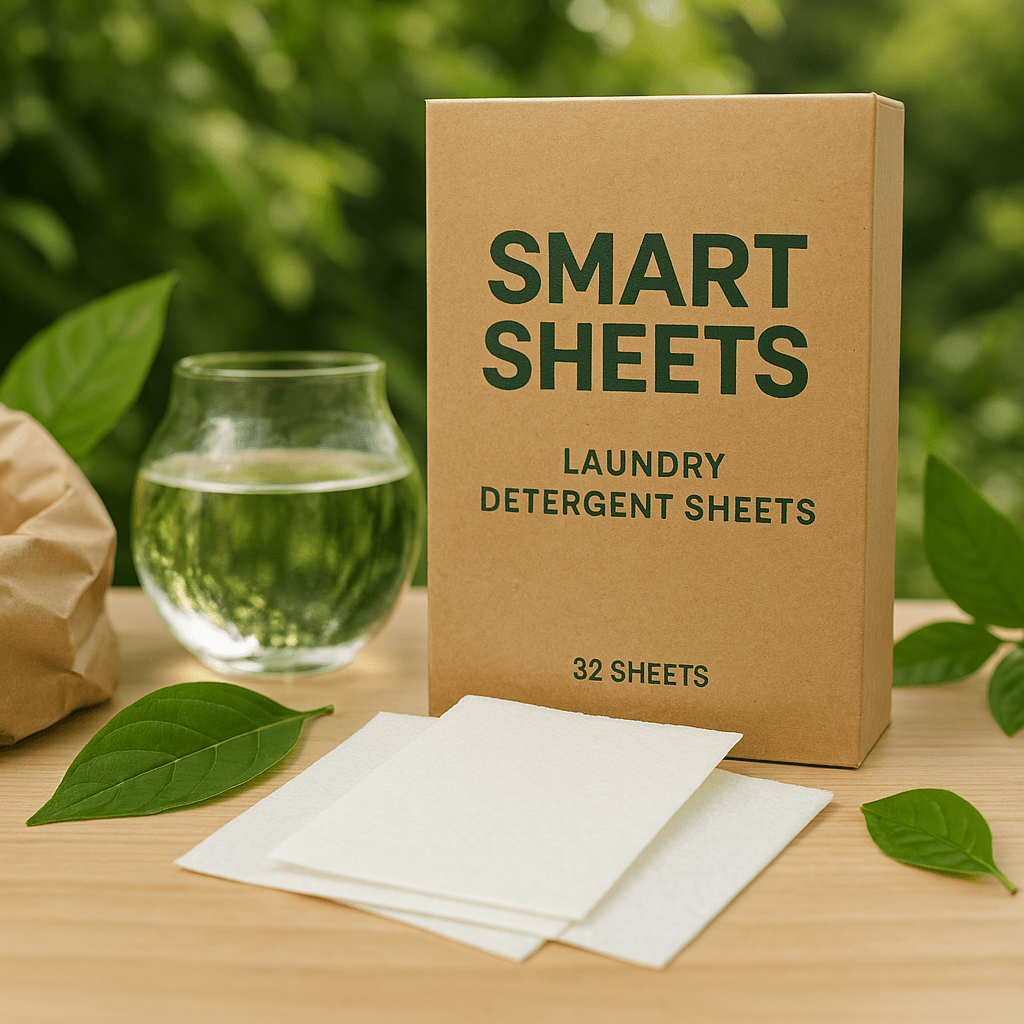
Research shows strong demand for convenient, mess‑free laundry solutions, supporting P&G’s objective to design products that simplify household routines and improve everyday consumer experiences.
Validates Sustainability Goals
Insights revealing consumer interest in reduced plastic waste and eco‑friendly packaging reinforce P&G’s commitment to sustainability and support Smart Sheets as a lower‑impact alternative to traditional detergents.
Supports Innovation and Growth Strategy
Insights on purchase intent, price sensitivity, and concept appeal enable P&G to forecast adoption potential and guide Smart Sheets toward innovations that strengthen market growth, competitive advantage, and environmental improvement.
Industry Trends and Implications
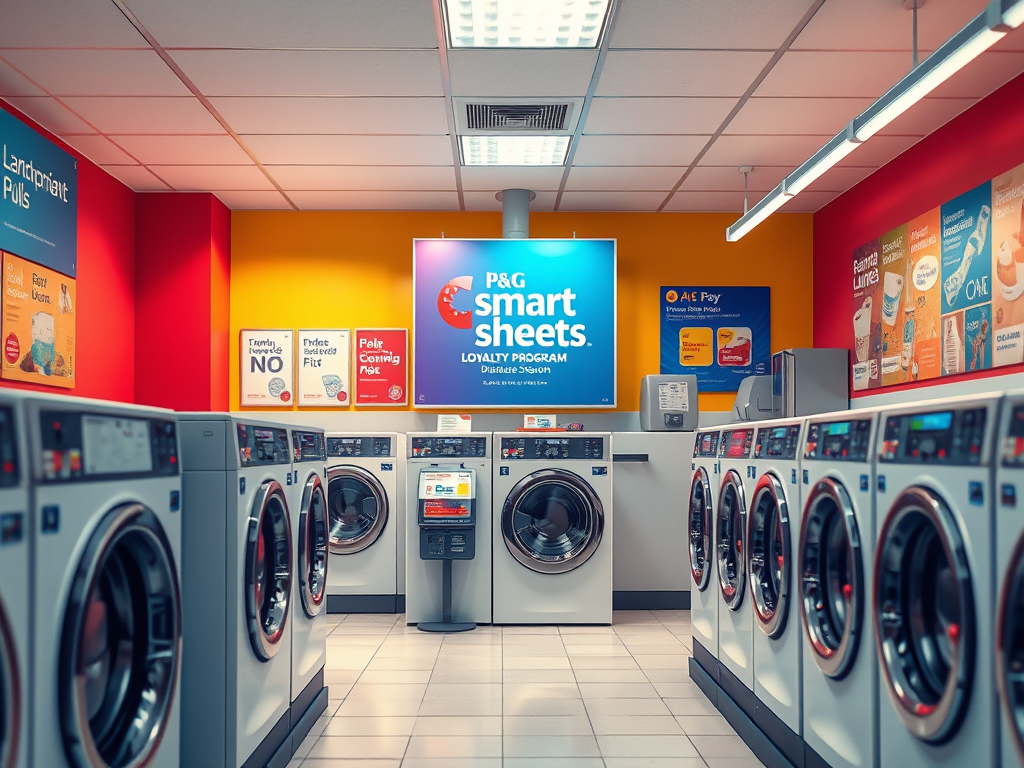
As we continue developing P&G Smart Sheets, several powerful industry trends are shaping both the opportunity and the responsibility behind this innovation. One of the most significant shifts is the growing consumer demand for low‑waste, plastic‑free household products. Market analyses show that eco‑friendly laundry detergents are expanding rapidly as shoppers increasingly choose brands that help reduce their environmental footprint, with detergent sheets emerging as a key growth segment (Technavio, 2024). This trend is expected to accelerate as more households adopt sustainable routines and as retailers expand shelf space for eco‑friendly alternatives. For P&G, this means Smart Sheets are not just a product innovation- they’re a strategic response to a long‑term shift in consumer expectations.
Another major trend is the rise of convenience‑driven purchasing, especially among younger consumers and busy families. Research shows that people want products that simplify daily tasks, reduce mess, and fit easily into small living spaces- needs that detergent sheets directly address (Caring Consumer, 2024). At the same time, the growth of e‑commerce and subscription‑based purchasing is reshaping how consumers buy household essentials. Lightweight, compact formats like Smart Sheets reduce shipping costs and carbon emissions, making them ideal for online fulfillment (Technavio, 2024). Looking ahead, these trends imply that P&G has a strong opportunity to expand Smart Sheets through digital channels, build recurring revenue models, and strengthen its sustainability leadership. As the market continues to evolve, Smart Sheets position P&G to stay ahead of consumer expectations while advancing long‑term goals around innovation, environmental responsibility, and operational efficiency (Procter & Gamble, 2024).
Legal, Ethical & Industry Standards
At P&G, earning consumer trust isn’t just a goal- it’s a responsibility. That’s why our marketing strategy for Smart Sheets is built on a foundation of transparency, accuracy, and respect for the people who bring our products into their homes. Every claim we make about Smart Sheets- from their mess‑free convenience to their reduced plastic waste- is backed by real data and rigorous testing. This approach ensures our messaging stays fully aligned with Texas truth‑in‑advertising requirements, including the Texas Deceptive Trade Practices–Consumer Protection Act, which prohibits misleading, exaggerated, or unsubstantiated product claims (Texas Legislature, 2024). These standards are especially important in Austin, where consumers place a high value on authenticity and responsible business practices (City of Austin, 2024). In other words, no greenwashing, no shortcuts- just honest communication about what Smart Sheets can do.
We also take ethical marketing seriously. That means being thoughtful about how we use customer insights, protecting privacy, and making sure our sustainability messaging is clear and easy to understand. By following established industry standards and holding ourselves to a higher bar, we’re not just promoting a product- we’re reinforcing the trust consumers place in P&G. Smart Sheets represent innovation, but the way we talk about them reflects something even more important: our commitment to doing what’s right for consumers, the planet, and the future of everyday cleaning.
What Are the Limitations?
As exciting as it is to shape the future of laundry care with P&G Smart Sheets, developing a full market proposal hasn’t come without its challenges. One of the biggest limitations has been navigating the natural gaps that occur when researching an emerging product category. Laundry detergent sheets are still relatively new in the U.S. market, and while industry reports highlight strong growth potential, the category lacks the long‑term consumer behavior data available for traditional liquid and pod detergents (Mordor Intelligence, 2025). Early insights point to rising interest in convenience and eco‑friendly formats, but the smaller pool of historical data makes it more difficult to forecast long‑term adoption patterns with complete confidence.
Another challenge comes from the evolving nature of sustainability expectations. Consumers increasingly want eco‑friendly products, yet their definitions of “sustainable” vary widely, and the market itself is crowded with brands making different environmental claims (Global Growth Insights, 2024). Without universally accepted standards or consistent metrics across the industry, it can be difficult to determine which claims resonate most- and which risk being misunderstood. These limitations do not slow progress, but they do reinforce that innovation requires flexibility. As Smart Sheets continue gaining traction, ongoing research, real‑world feedback, and transparent communication will help refine our strategy and ensure alignment with what consumers truly value (Datanext, 2024).
References
Caring Consumer. (2024, August 22). Earth Breeze vs. Tru Earth: Pros, cons, and key differences. https://caring-consumer.com/brands/cleaning/earth-breeze-vs-tru-earth/
City of Austin. (2024). Austin demographic data hub. https://demographics-austin.hub.arcgis.com/
Datanext. (2024). P&G: Data analytics powering smart product innovation. Datanext. https://www.datanext.ai/case-study/pg-data-analytics-smart-products/
Global Growth Insights. (2024). Eco friendly laundry detergents market report. https://www.globalgrowthinsights.com/market-reports/eco-friendly-laundry-detergents-market-104917-
Mordor Intelligence. (2025). Laundry detergents market – Growth, trends, and forecast. https://www.mordorintelligence.com/industry-reports/laundry-detergents-market
Technavio. (2024). Laundry detergent sheets market – Industry analysis, trends, and forecast 2024–2029. https://www.technavio.com/report/laundry-detergent-sheets-market-industry-analysis#:~:text=The%20laundry%20detergent%20sheets%20market,increasing%20product%20launches%20by%20companies.
Texas Legislature. (2024). Texas Deceptive Trade Practices–Consumer Protection Act, Bus. & Com. Code § 17. https://statutes.capitol.texas.gov/?tab=1&code=BC&chapter=17
 Marketing_Ninja
Leave a comment