Scrolling Through My Day: How Digital Media Shapes My Routine and Modern Marketing
From morning money checks to late-night scrolling, my daily apps reveal how connected—and marketable—digital life has become.
By Megan Hampton | SNHU | Professor: Jessica Bilotta
Date: September 4, 2026
Digital media is woven into almost every part of my daily routine- how I communicate, shop, relax, and even manage my finances. Throughout the day, I move between different apps depending on what I need, and each one plays a unique role in keeping my life organized, connected, and convenient.
My Everyday Digital Toolkit
A typical day with digital media starts almost immediately. In the morning, I check my financial apps and messages, then move into social platforms like TikTok, Facebook, and Instagram during breaks. Later in the day, I use apps such as Amazon or DoorDash when I need something quickly, and I usually end the day scrolling for entertainment or ideas. Looking at my routine this way shows how digital media is not just something I use occasionally; it is part of how I communicate, make decisions, shop, and relax.
I regularly use a variety of digital media platforms that support my daily routines, entertainment, communication, shopping, and financial management. Each app serves a different purpose in my life, and I interact with them frequently throughout the week.
TikTok: My Personalized TV
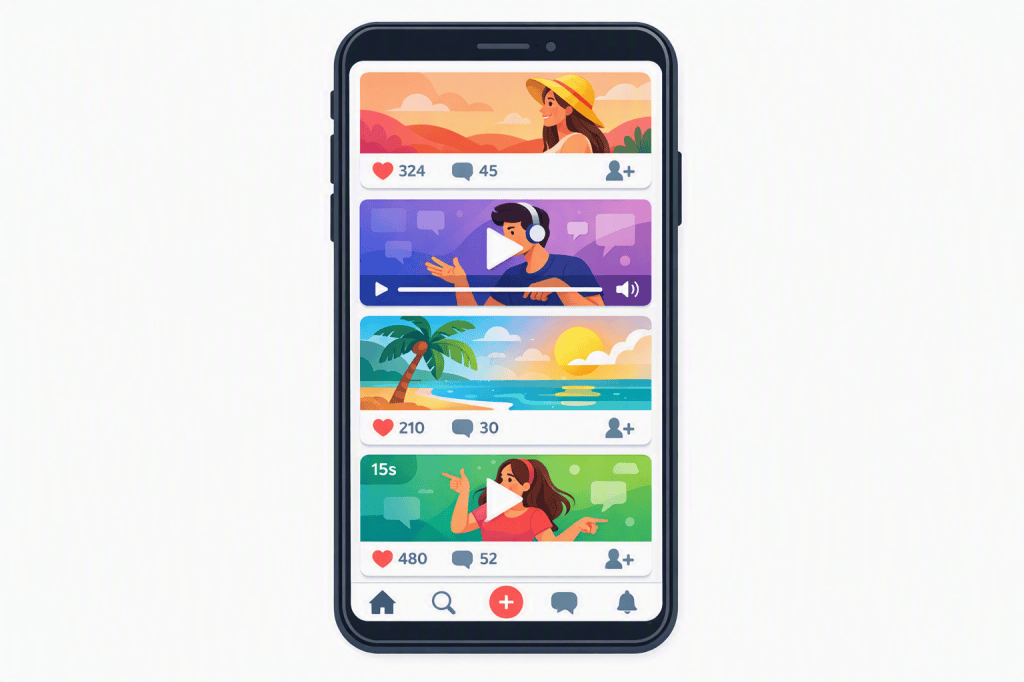
TikTok is one of the apps I enjoy the most because of the wide range of content it offers. I watch everything from drama and science videos to psychology explanations, informational clips, workout routines, and office outfit ideas. The content is diverse, well represented, and always available. I don’t have anything negative to say about TikTok because I only use it for entertainment, it essentially replaces TV for me.
Facebook: Staying Connected Across Distance
I have used Facebook since I was 16, and it remains valuable because it helps me stay connected with people from all over the world. I move often, which means leaving behind great friendships, so having Facebook makes it easy to keep up with what others are doing and maintain those connections.
Instagram: Curated, Visual, and Easy to Browse
I like Instagram for its visual format and the different element it brings compared to other platforms. It feels less personal and more curated, which makes it enjoyable for browsing photos, lifestyle content, and updates without the same level of personal interaction as Facebook.
Amazon: Convenience with a Few Trade-Offs
Amazon is extremely convenient, and I use it often because I can order almost anything I need. While I appreciate the ease of use, fast delivery, and wide selection, I do notice occasional issues such as wrong location deliveries or accidentally ordering duplicates. Some product quality can be questionable, but the prices and convenience usually outweigh the risks.
DoorDash: When Convenience Wins
DoorDash is another app I use frequently for food delivery. The app works well, though I can tell their AI integration is still developing. Wrong deliveries happen occasionally, but DoorDash resolves issues quickly and is usually accommodating. Missing items like straws or syrup can be frustrating, but the convenience makes it hard to rate poorly. I am slightly uneasy about their new option to keep the same delivery driver, especially when someone repeatedly comes to your home, but the convenience often wins- sometimes life just feels like you need DoorDash.
Navy Federal: Managing Money on the Go
I use the Navy Federal app and website to manage my finances. The layout is straightforward and functional, though some font sizes seem oddly small. Overall, I haven’t experienced major issues, and it serves its purpose well.
Zelle & Venmo: Fast Payments, Less Stress
I use Zelle for quick, direct money transfers, and Venmo for splitting bills or paying friends. Both apps make financial tasks simple and efficient, especially when handling small personal transactions.
The Good, the Glitches, and the Convenience Factor
Overall, I have mostly positive reactions to the digital media I use. TikTok, Facebook, and Instagram provide entertainment, connection, and creativity. Amazon and DoorDash offer convenience that fits my busy lifestyle, even though occasional errors—like wrong deliveries or missing items- can be frustrating. Financial apps like Navy Federal, Zelle, and Venmo give me a sense of control and efficiency when managing money.
While each platform has minor drawbacks, the benefits generally outweigh the negatives. Most of the digital media I use makes my daily life easier, more connected, and more efficient.
Marketing in My Feed: What Brands Are Really Doing Online
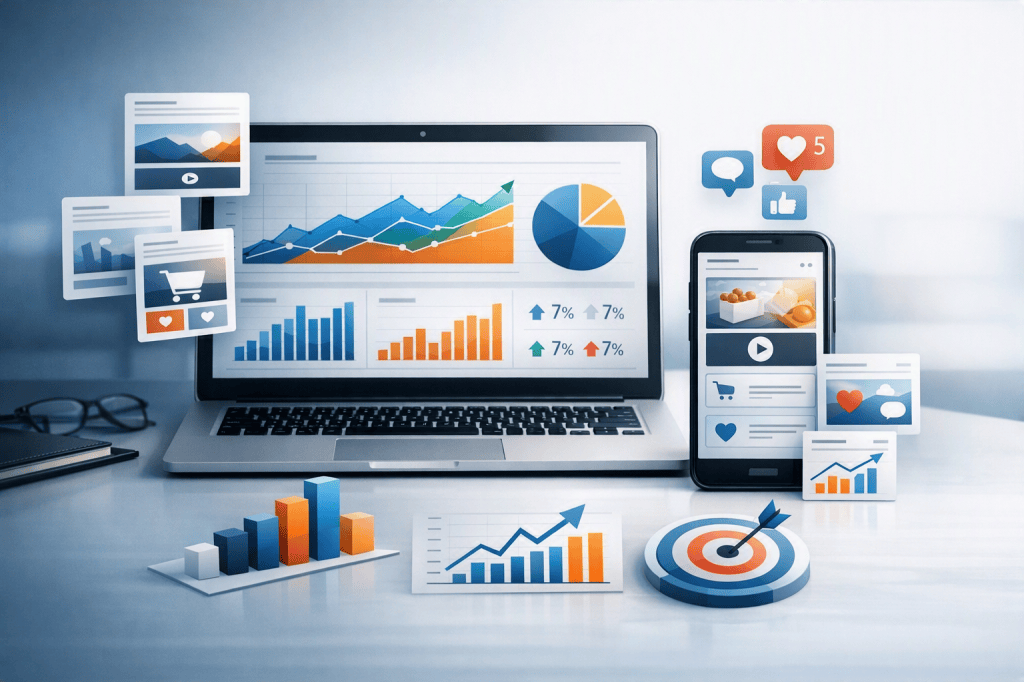
Digital media marketing today feels extremely diverse. It can be used in a multitude of ways- good media, bad media, random luck- and what stands out most is how openly the public can interact with or monitor content. Marketing is no longer a one‑direction message; it’s a constant feedback loop between brands and users.
From a financial and analytical perspective, digital media has become one of the strongest tools companies use to understand consumer behavior. The sheer scale of social media usage shows why brands invest so heavily in these platforms. According to Forbes Advisor, 5.79 billion people now use social media worldwide, and the average user is active on 6.5 platforms each month . That level of reach makes social media one of the most cost‑efficient and data‑rich environments for marketing.
The average person also spends about 2 hours and 39 minutes per day on social platforms . From a marketing standpoint, that amount of attention is extremely valuable. Brands can target users based on interests, behaviors, and engagement patterns, making digital media a powerful tool for both advertising and customer retention.
I also notice how much marketing relies on short‑form video. Forbes highlights that social media has “never been bigger,” but also “never been harder to know whether it’s actually working” because engagement metrics are constantly shifting . This aligns with what I see daily- brands constantly adjusting their content strategies, experimenting with trends, and using analytics to refine their messaging.
Overall, digital media marketing today is fast‑moving, data‑driven, and highly interactive. As a user, I see how brands compete for attention, but as someone who pays attention to analytics, I also see how much strategy goes into every post, ad, and campaign.
Source
Hoory, L. (2026, August 10). Top social media statistics and trends of 2026. Forbes Advisor. https://www.forbes.com/advisor/business/social-media-statistics/
 Marketing_Ninja